


Understanding the Ford Mustang MACH-E: Batteries, Motors, and Regenerative Braking
Author: West Herr Ford of Webster Team
As electric vehicles (EVs) gain popularity in Rochester and the surrounding areas, many local drivers are eager to understand how they function. At West Herr Ford of Webster, we leverage our community expertise to break down the technology behind Ford’s electric models, like the Mustang MACH-E. This guide will simplify key concepts like batteries, motors, and regenerative braking, making it easy for you to grasp how these innovative vehicles work. Whether you’re commuting along Ridge Road or exploring the scenic paths around Irondequoit Bay, you’ll be well-prepared to make the most of your electric driving experience.
How Does a Ford EV Battery Power Your Drive?
The battery is the core of any Ford electric vehicle, acting like a fuel tank but for electrical energy instead of gasoline. This high-voltage lithium-ion battery is typically housed beneath the vehicle’s floor, which helps lower the center of gravity. This design provides enhanced stability and handling, especially beneficial when navigating the hilly or curvy roads around Rochester, Penfield, and Webster.
When you accelerate, the battery efficiently sends a steady flow of direct current (DC) electricity to the motor, delivering smooth and immediate power. Charging your Ford EV is user-friendly too; you can recharge at home overnight or utilize public charging stations conveniently located in places like Irondequoit and along Ridge Road (Route 104). Here’s why that matters for drivers in our area: the Ford electric lineup, including models like the Mustang MACH-E, allows for efficient handling on local terrain, making every drive enjoyable and reliable.
- Low Center of Gravity: This adds stability, especially on winding roads.
- Instant Torque: Experience immediate power when you accelerate, improving responsiveness.
- Convenient Charging: Charge at home or at various public stations around Rochester and Webster.
- Climate Resilience: Electric vehicles perform well in cold weather, essential for our snowy winters.
- Eco-Friendly Driving: Reduce your carbon footprint while enjoying modern technology.
- Local Infrastructure: Many charging options are available, making electric driving practical in our community.
For more insights about vehicle batteries and their performance, visit Kelley Blue Book.
What Role Does the Electric Motor Play in a Ford EV?
The electric motor in a Ford EV transforms electrical energy from the battery into the motion that drives the wheels. It’s designed to be straightforward, efficient, and built for long-lasting performance, making it a reliable choice for everyday driving around Rochester and Webster.
When you press the accelerator, the inverter takes the battery’s DC power and converts it into AC power for the motor. This process creates a rotating magnetic field that spins the rotor, ultimately turning the vehicle’s axles. What does this mean for you? Instant torque! You’ll experience immediate acceleration, whether you’re merging onto Ridge Road or navigating the bustling streets of Irondequoit. Plus, the quiet operation of the motor makes for a peaceful ride, whether you’re commuting through downtown Penfield or enjoying a weekend drive along the scenic Lake Ontario shoreline.
How Does Regenerative Braking Work to Extend Your Range?
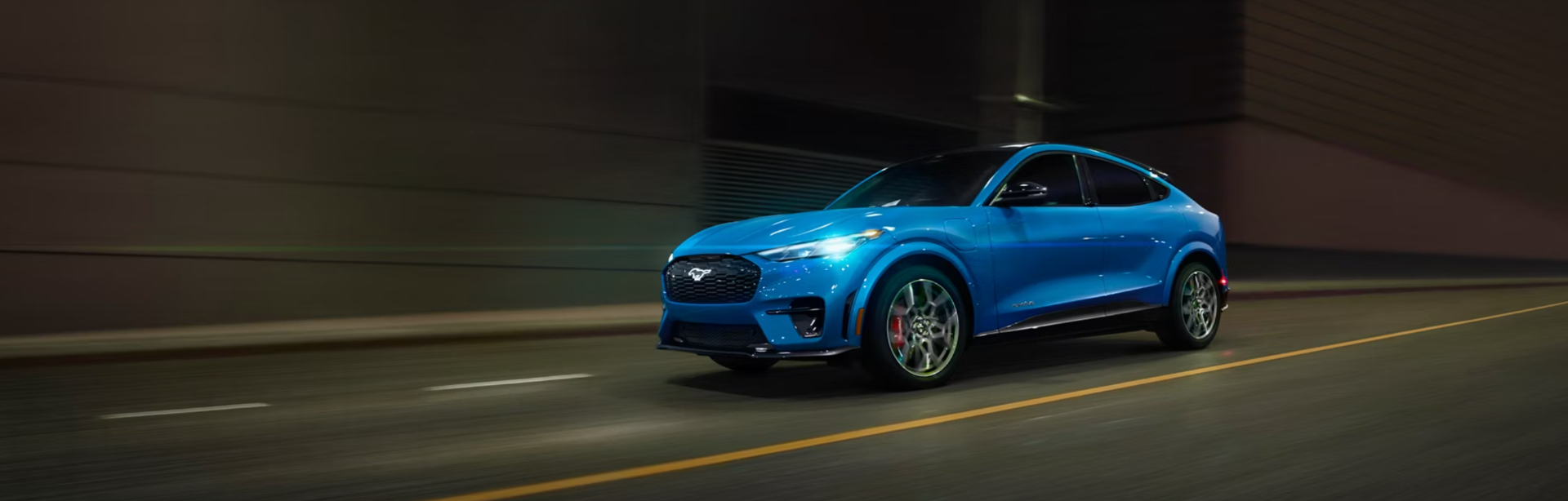
Regenerative braking is a clever feature in Ford electric vehicles that allows you to harness energy that would typically be wasted during braking. This technology can help you extend your driving range, especially in the varied landscapes around Rochester, NY.
Here’s how it works: when you lift off the accelerator or press the brake pedal, the electric motor reverses its function. Instead of consuming electricity to move the wheels, the wheels’ momentum spins the motor in reverse, effectively turning it into a generator. This process generates electricity that is fed back into the battery, providing a helpful boost. For example, when navigating the hills around Irondequoit or in stop-and-go traffic on Ridge Road, you’ll experience this regenerative effect as it helps recharge your battery during deceleration.
Here’s what you’ll notice:
- Stronger slowdown feel: You may feel a more pronounced braking response when you ease off the accelerator.
- Range gains: You’ll see the benefits in your battery life, particularly on routes through Webster and Penfield.
The advantages are twofold: not only does regenerative braking contribute to added range, but it also reduces wear on traditional brake components, saving you money on maintenance. This means fewer brake replacements over time, which is a significant consideration for drivers in our community. To learn more about this innovative technology, check out insights from Edmunds.
What Affects a Ford EV’s Battery Range and Performance?
Several factors can impact how far your Ford EV can travel on a single charge and how effectively it performs. Understanding these elements helps you manage your vehicle’s efficiency, especially in the unique driving conditions around Rochester and its suburbs.
Driving Style: Your driving habits play a critical role in energy consumption. Aggressive acceleration and frequent high-speed driving, common on busy routes like Ridge Road (Route 104), can significantly drain the battery. Conversely, smooth driving, such as maintaining steady speeds on Irondequoit Bay Drive, helps conserve energy, maximizing your range.
Terrain: The local landscape can heavily influence energy usage. Navigating hilly areas, like those near D’Amico Park, requires more power, while flat stretches, such as those along the Lake Ontario shoreline, allow for more efficient travel. Remember, when driving downhill, regenerative braking can help recover some energy, improving range.
Temperature: Seasonal weather can affect battery performance. In the winter months, lake-effect snow and icy conditions can reduce range due to increased energy demands for heating. Using your Ford EV’s pre-conditioning feature while still plugged in can help mitigate these effects, ensuring a more efficient drive when temperatures drop.
Cabin Comfort: Climate control systems can impact battery life. Utilizing the heater or air conditioning draws energy from the battery. Thankfully, modern Ford EVs are equipped with efficient climate control technologies designed to minimize this drain, allowing you to stay comfortable while preserving your range.
How Do You Maintain a Ford EV?
Maintaining a Ford electric vehicle is typically easier and more cost-effective than looking after a gasoline model. With significantly fewer moving parts, you won’t need to worry about many of the usual maintenance tasks.
For Rochester drivers, this means no oil changes and no concerns about spark plugs or exhaust systems. Instead, focus on the core maintenance items: brake inspections, tire rotations, fluid and coolant checks, and general EV system checks. These tasks help ensure your vehicle operates smoothly, especially when navigating the winter roads around Lake Ontario or during summer outings at D’Amico Park.
The battery and motor in your Ford EV are built for durability, often requiring only minimal maintenance over their lifespan. For a deeper understanding of maintenance schedules, check out resources from the official U.S. Department of Energy. And remember, you can always trust certified technicians who specialize in Ford vehicles to provide support as needed. For insights into long-term reliability, visit Consumer Reports.
Frequently Asked Questions (FAQs)
What are the dealership’s policies on vehicle cleanliness upon delivery?
West Herr Ford of Webster ensures that all vehicles are thoroughly cleaned and inspected before delivery, so you receive your new vehicle in pristine condition, ready for the road.
How can I ensure my vehicle’s features are as expected before purchase?
West Herr Ford of Webster’s team will walk you through the features and specifications of your desired vehicle, allowing you to explore and confirm that it meets your expectations before finalizing your purchase.
What steps can I take if I experience buyer’s remorse after a purchase?
If you have concerns about your recent purchase, West Herr Ford of Webster encourages you to reach out to their team for guidance on your options and assistance in addressing your feelings about the vehicle.
What community involvement does West Herr Ford of Webster engage in?
West Herr Ford of Webster actively participates in local events and supports community initiatives, reflecting their commitment to building lasting relationships within the Western New York area.
How does West Herr Ford of Webster ensure a transparent sales process?
The dealership prides itself on its straightforward approach to sales, providing clear communication and no hidden fees, so customers can feel confident in their purchasing decisions.
What is the difference between AC and DC charging for a Ford EV?
AC (Alternating Current) charging is used for home charging (Level 1 and Level 2) and many public stations, while DC (Direct Current) fast charging can significantly reduce charging time, providing a substantial charge in under an hour. For more information, visit the official Ford website.
About West Herr Ford of Webster
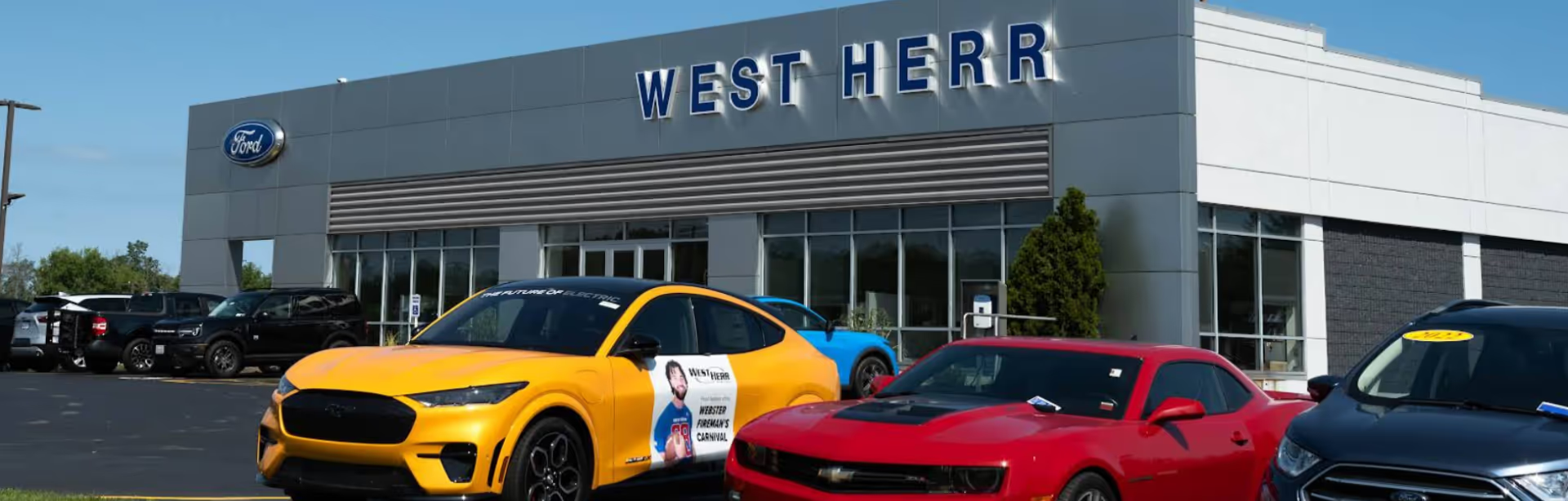
As part of the West Herr Auto Group, a family of dealerships deeply rooted in the Western New York community for decades, West Herr Ford of Webster is dedicated to building lasting relationships with our neighbors. Our commitment is reflected in our straightforward, transparent approach to both sales and service. We strive to provide a world-class experience that makes you feel valued, ensuring you receive exceptional care every time you visit..
Related Articles:
Choosing Your Rochester Ford Dealer: A Western NY Driver’s Guide

0 comment(s) so far on Understanding the Ford Mustang MACH-E: Batteries, Motors, and Regenerative Braking